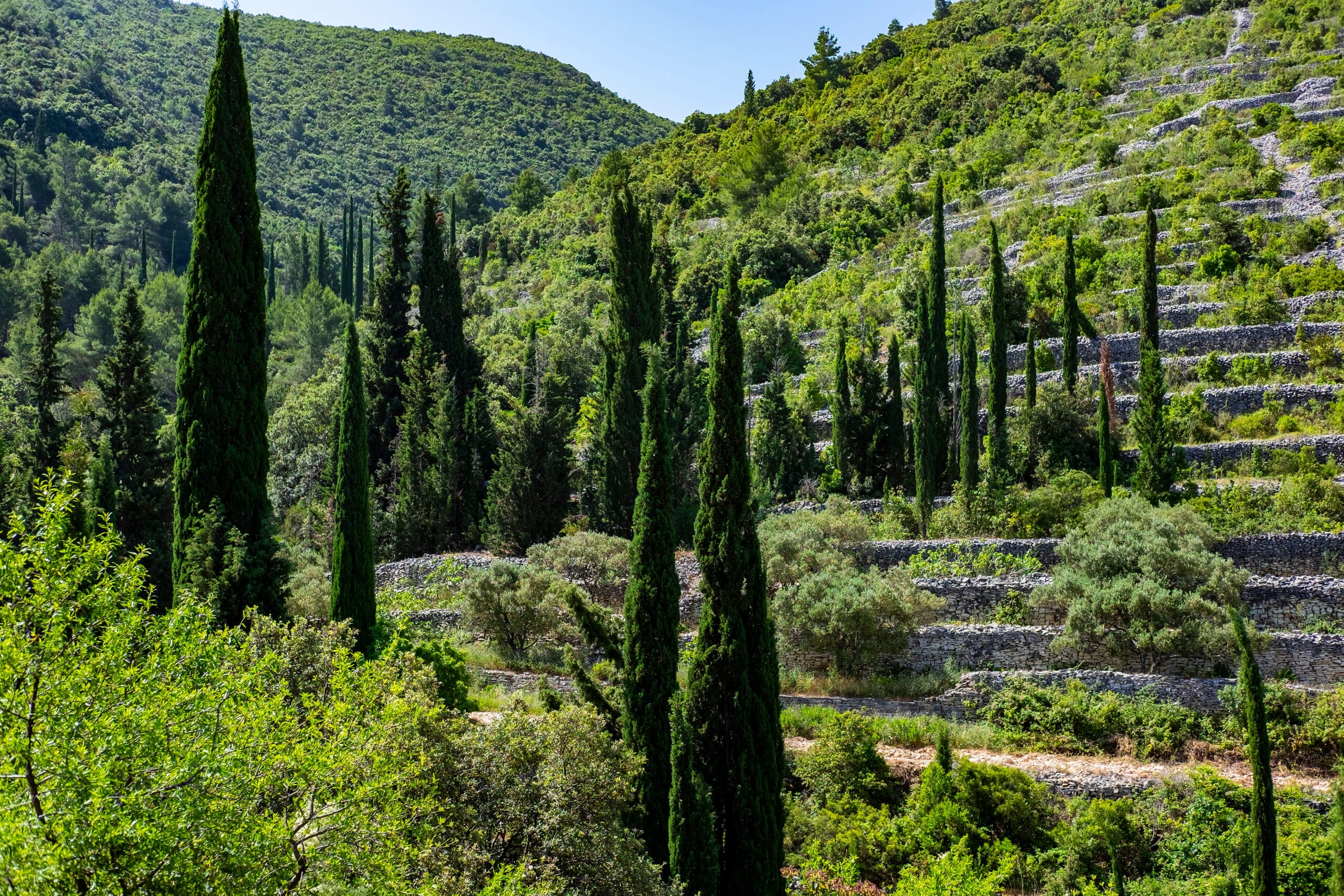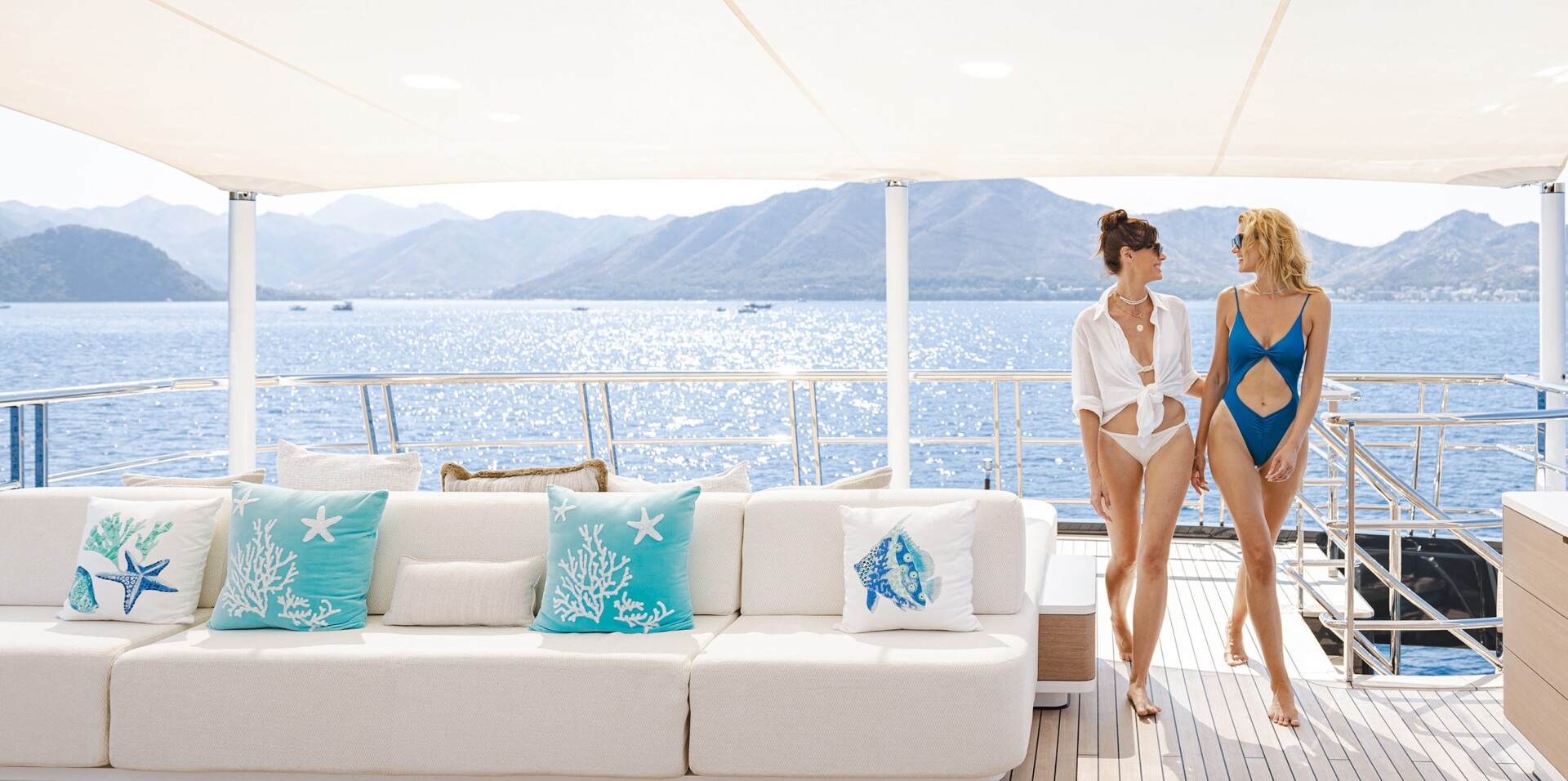

Cruising Croatia is one of the most rewarding ways to experience the country. The islands sit close together, allowing for short passages between places like Hvar, Vis and Korčula, each offering a different experience. You move easily from busy harbours and historic centres to quieter anchorages where the water is exceptionally clear and the coastline remains largely untouched.
Along the Dalmatian coast, history is embedded in the setting. In Split, daily life unfolds within the walls of a Roman palace, while Dubrovnik is still defined by its centuries-old fortifications. Smaller islands retain a more local rhythm, with fishing villages, vineyards and simple waterfront restaurants shaping the yacht charter in Croatia. Phoenix Charter Brokers have created a charter guide through central Dalmatia, designed to move naturally between the region’s most rewarding stops, with the flexibility to extend towards Korčula and the Pelješac peninsula.
BEST TIME FOR A YACHT CHARTER IN CROATIA
The Croatian yacht charter season stretches from late spring into early autumn, each period offering a different experience.
June & September: Often the preferred window — warm water, long evenings, and a quieter coastline. Conditions are settled, all restaurants are open, and the anchorages have room to breathe.
July & August: The peak season brings a more social atmosphere to Croatia, with lively harbours and full summer energy. Demand is highest; recommended to book well in advance.
May & October: Slower, greener, and more relaxed. Fewer yachts, a more local feel, and — particularly in October — the beginning of truffle season in the interior. An excellent choice for guests prioritising privacy and value.
SPLIT & CENTRAL DALMATIA
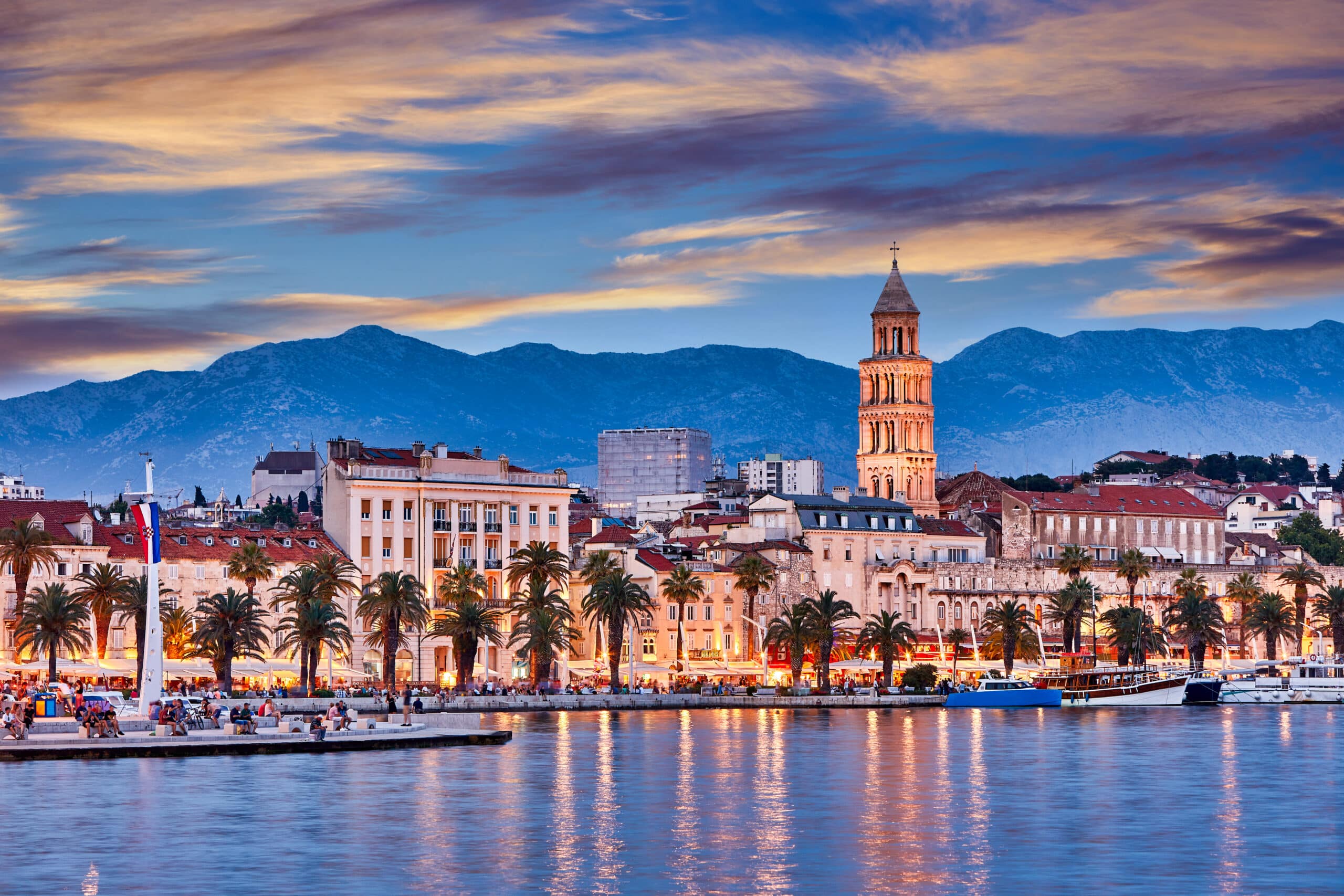
Split is the main yachting hub on the Dalmatian coast. The historic centre is built within Diocletian’s Palace, where restaurants, apartments, and small shops are integrated into the original Roman structure. The waterfront runs directly along the southern wall, giving immediate access between the yacht and the city.
From Split, the cruising area begins immediately. Brač is a short passage across the channel, with anchorages around Bol and along the southern coast. Šolta offers sheltered bays such as Maslinica, generally quieter and well-suited for a first night. Trogir, to the north-west, provides a compact and well-protected stop with a marina and a historic centre easily explored on foot.
WHERE TO ANCHOR
Trogir | A UNESCO-listed walled town 27 kilometres north-west of Split, connected to the mainland by two small bridges. The cathedral of St Lawrence is the finest Romanesque interior in Croatia. Berth in the ACI Marina Trogir and explore on foot.
Šolta – Maslinica and Stomorska | The quietest of the central Dalmatian islands, directly west of Split. Maslinica has a beautiful natural bay with a small marina and the Martinis Marchi — a seventeenth-century castle converted into one of the best restaurants in the islands. The olive oil from Šolta is exceptional.
Kaštela Bay | The long bay between Split and Trogir, lined with seven medieval fortress villages built by Venetian nobility against Ottoman expansion.
Omiš and the Cetina River | South-east of Split, where a limestone gorge meets the sea. Take the tender upriver into the canyon — a genuinely surprising landscape for guests used to the coast.
DINING EXPERIENCES
Zoi, Riva Waterfront | Set within the southern wall of Diocletian’s Palace, directly above Split’s main promenade, Zoi offers one of the most composed dining settings in the city, with a terrace overlooking the harbour. The concept is structured around tasting menus typically built on Adriatic seafood, seasonal vegetables, and carefully aged meats. Expect refined plates such as octopus, delicate risottos, and fish courses, paired with Croatian wines.
Bokeria Kitchen & Wine Bar | Located in the heart of Split’s historic centre on a lively square, Bokeria has a more energetic atmosphere, with a modern brasserie feel. The menu blends Mediterranean and Dalmatian influences with a slightly more international approach. Dishes tend to be generous and flavour-driven — oxtail risotto, truffle pasta, sea bass with vegetables, and cod-based starters are among the more consistent choices.
Dvor | Just outside the centre in the Firule residential area, overlooking the sea near Bačvice, Dvor offers a quieter setting with a garden terrace shaded by pine trees. The cuisine is modern Mediterranean with a strong emphasis on seasonal ingredients and Croatian wines. Expect seafood, lighter starters, and mains that shift regularly with the season rather than relying on fixed signature dishes.
Martinis Marchi Restaurant | Located within a restored eighteenth-century castle in the harbour village of Maslinica on the island of Šolta, this is one of the best dining experiences in the region. The setting is formal, with a private quay for yacht access. The menu is refined and ingredient-led, with dishes such as scallops with celery cream, white fish with Adriatic mussel sauce, truffle-based pasta, and slow-cooked beef “pašticada”. A tasting approach works best here, supported by a strong Croatian wine selection.
Brač
Brač is the natural first stop after Split, with a short crossing through the Brač Channel. It works well as a first day on the itinerary, allowing time to settle into the pace of the charter before continuing further south.
WHERE TO ANCHOR
Bol — Zlatni Rat (South Coast of Brač) | Anchor offshore of Zlatni Rat, the island’s defining natural landmark — a narrow, shifting spit extending into the channel. Best approached as a daytime stop for swimming, with tender access to Bol village for lunch or early evening ashore.
Milna (West Coast of Brač) | The most secure harbour on the island and one of the best natural shelters in central Dalmatia. The deep inlet provides protection from most wind directions, making it a dependable overnight berth. Several marina options are available, including well-managed berths with shore power and provisioning access. The village itself is low-key but well kept, with a handful of reliable waterfront restaurants.
Lučice Bay (Near Milna) | A short distance south of Milna, Lučice is a well-protected anchorage enclosed by pine-covered slopes. The seabed is sand and mud, offering strong holding, and the bay remains calm even when conditions build outside. No marina infrastructure, but a small number of konobas ashore. Best suited to a quiet evening at anchor with minimal movement.
DINING EXPERIENCES
Konoba Senjković (Inland Brač, near Nerežišća) | A destination in itself, requiring a short transfer inland through olive groves and vineyards. The restaurant is set within a family estate and operates on a structured tasting format rather than à la carte. The focus is on Brač produce — lamb, house-cured meats, seasonal vegetables — with thoughtful wine pairings from their own cellar.
Restaurant Navigare (Milna Waterfront) | Located directly on the harbour front in Milna, offering straightforward access from the berth. The setting is clean and composed, with views across the marina. The kitchen centres on Adriatic seafood — grilled fish, lobster, and seafood pasta — executed with consistency rather than excess complexity.
Konoba Kopacina (Donji Humac, Inland Brač) | Set in one of the island’s oldest villages, built from Brač stone, this is one of the strongest references for traditional Dalmatian cuisine. Known particularly for lamb cooked under peka (slow-cooked under an iron bell), alongside dishes such as vitalac and house-made cheeses.
Hvar and the Pakleni Islands
Hvar’s reputation arrives ahead of it, though the experience depends entirely on how it is approached. From the harbour, it is lively and social, particularly in July and August. Just offshore, the Pakleni Islands provide immediate contrast — clear water, pine-covered bays, and quieter anchorages within easy reach by tender, allowing access to Hvar Town without needing to remain in it.
WHERE TO ANCHOR
Palmižana Bay (Sveti Klement, Pakleni Islands) | The seabed is sand with good holding, and the bay offers protection from most winds. Mooring buoys are well organised, and tender access ashore is straightforward. From here, Hvar Town is around ten minutes away. The setting is structured, with established restaurants and a well-maintained shoreline.
Vinogradišće Bay (Pakleni Islands) | Located on the southern side of Sveti Klement, this is one of the most visually distinctive anchorages in the area, with exceptionally clear water and a more relaxed atmosphere. Mooring is typically on buoys, and the bay can become busy in peak season. Best suited for a long lunch stop or a swim before moving to a quieter overnight position.
Stipanska Bay (Marinkovac Island) | A more secluded anchorage within the Pakleni group, offering calmer surroundings during the day. Holding is generally good on sand. The bay is also home to Carpe Diem beach club, which becomes active in the evening, so timing and positioning matter depending on the desired atmosphere.
Stari Grad Bay (North Coast of Hvar) | A well-protected, elongated bay at the eastern end of the island, offering a complete contrast to Hvar Town. Berthing is available in the town quay or marina, both well organised and suitable for overnight stays. The atmosphere is quieter and more traditional, with the UNESCO-listed Stari Grad Plain just inland. A strong option for guests prioritising space and a slower pace.
DINING EXPERIENCES
Meneghello (Palmižana Bay, Pakleni Islands) | Accessible only by boat, set within a long-established botanical garden that has been in the same family for generations. The kitchen focuses on traditional Dalmatian cooking with a seafood emphasis. Signature dishes include gregada (local fish stew), grilled catch of the day, and simple, well-executed seasonal plates.
Gariful (Hvar Town Harbour) | Positioned directly on the waterfront with the possibility to berth nearby or arrive by tender. Known for its live seafood selection, particularly lobster and langoustine, prepared simply. The setting is high-profile and exposed, best suited to clients who want to be in the centre of Hvar’s social scene.
Dalmatino (Hvar Town, Old Centre) | The menu focuses on refined local dishes — tuna tataki, black risotto, and carefully prepared seafood — alongside a strong Croatian wine list. Service is consistent, making it a reliable alternative to the more visible waterfront options.
Laganini Lounge Bar & Fish House (Pakleni Islands) | A contemporary beach club setting with direct sea access, combining a relaxed daytime atmosphere with a more structured kitchen. The menu centres on seafood risotto, lobster, and modern Mediterranean plates, supported by a well-curated champagne and rosé selection. Works particularly well as a long lunch or early evening stop.
VIS
Vis feels distinct. Closed to foreign visitors until 1989, it has avoided large-scale development and retains a more natural, understated character. The island divides between Vis Town and Komiža, each offering a different atmosphere. Vis Town has a softer, lived-in feel, while Komiža remains a working fishing harbour.
WHERE TO ANCHOR
Vis Town Bay (North-East Coast) | A wide, open bay with good holding on sand and mud, suitable for anchoring or berthing along the town quay and nearby marina. Access ashore is immediate, with the Kut area offering a quieter, more characterful setting than the main waterfront.
Komiža Bay (West Coast) | A more atmospheric but less straightforward anchorage. Depths increase quickly, so larger yachts typically anchor off and tender into the harbour. Protection is limited in certain conditions, but in settled weather it offers one of the most authentic stops in the Adriatic, particularly in the early morning and evening.
Stiniva Cove (South Coast) | A narrow, enclosed cove hidden behind a high limestone entrance, only fully visible once approached directly. Anchoring inside is restricted due to limited space and depth, so it is best visited by tender from a nearby position. The setting is dramatic — steep cliffs enclosing a small pebble beach — and works well as a short stop rather than an overnight.
Biševo — Blue Cave (Modra Špilja) | Located on the island of Biševo to the south-west of Vis. Access is by small tender only, with entry managed locally. The light effect, created by sunlight passing through an underwater opening, is strongest between late morning and midday. Best approached early or with careful timing to avoid peak traffic.
Rukavac Bay (South-East Coast) | A sheltered anchorage with good holding and several small inlets providing protection. The bay is calm and less frequented than the main stops, making it suitable for a relaxed afternoon or overnight anchorage. A small number of simple restaurants ashore focus on local produce and daily catch.
DINING EXPERIENCES
Pojoda (Vis Town, Kut Area) | One of the most established restaurants on the island, set in a quiet courtyard away from the main waterfront. The kitchen focuses on local produce — grilled Adriatic fish, slow-cooked lamb, and dishes built around Vugava, the island’s indigenous white wine. Service is consistent and well paced.
Konoba Jastožera (Komiža) | Set within a former lobster storage space directly by the water, known for live lobster prepared simply, either grilled or in buzara style.
Roki’s (Inland Vis, near Plisko Polje) | A more private, inland experience requiring a transfer from the coast. Known for peka — lamb, veal, or octopus slow-cooked under an iron bell — alongside estate-produced wines.
Lola Konoba & Bar (Vis Town) | A more contemporary option within Vis Town, offering a refined but relaxed setting. The menu includes tuna tartare, black risotto, and modern seafood dishes, supported by a well-considered Croatian wine list. A reliable choice for a slightly more polished evening.
Korčula and Pelješac (Optional Extension)
For those who want continue their yacht charter in Croatia, proceed south-east towards Korčula and the Pelješac peninsula. Korčula Town is often compared to a smaller Dubrovnik, with its fortified old town and strong culinary scene. The cruising becomes slightly more open, the pace quieter, and the emphasis shifts further towards food and wine.
Korčula Town is one of the most complete historic settings along the coast, with its compact, fortified old town extending into the sea. The layout is structured and easy to explore on foot, with narrow stone streets, shaded squares, and a harbour that allows straightforward tender access.
Where to Anchor
Korčula Town (East Coast of the Island) | Berthing is available along the town quay or within the nearby marina, both offering good access to the old town. The setting is composed, with immediate access ashore and a strong sense of arrival.
Ston Bay (Mainland, Pelješac Peninsula) | A sheltered bay set at the entrance to the Pelješac peninsula, known for its oyster and mussel farms. Access is typically by tender, navigating through the oyster beds to reach small jetties and waterfront restaurants. The atmosphere is quiet and functional, centred entirely around the produce.
dining experiences
LD Restaurant, Korčula Town | Positioned just outside the old town walls with views across the channel, this remains one of the most accomplished fine-dining restaurants in Croatia. The menu is seasonal, with a precise approach to local ingredients — Adriatic seafood, island vegetables, and Croatian wines. A tasting format works best, with a clear progression of dishes rather than individual plates.
Bota Šare, Ston Bay | A location-driven stop built entirely around the oyster beds. Best approached as a long, relaxed lunch, with oysters and mussels served directly from the source, alongside simple preparations of fish and local wines from Pelješac.
NOTABLE EXPERIENCES
Private Oyster Tasting — Ston Bay | A short, highly local experience arranged directly at the oyster farms. Guests are taken by tender to the beds for a guided tasting, often followed by a simple waterfront lunch. It integrates easily into the cruising day and works particularly well for clients interested in regional produce.
Pelješac Inland — E-Bike and Winery Pairing | For a more active alternative, inland Pelješac offers a change of pace. Routes through the vineyards can be explored by e-bike, followed by structured tastings at established wineries producing Plavac Mali and other regional varieties. Transfers are straightforward from the coast, allowing the experience to be fitted into a single day without disrupting the itinerary.
PLAN Your Yacht Charter in Croatia
A yacht charter in Croatia works particularly well because everything is within reach. The distances between islands are short, the conditions are generally reliable, and the coastline offers enough variation to keep each day distinct without requiring long passages.
The central Dalmatia itinerary from Split through Brač, Hvar, the Pakleni Islands and Vis brings this together in a way that feels straightforward and well-paced, with the option to extend further when time allows. Contact Phoenix Charter Brokers to begin planning your yacht charter in Croatia and to explore the yachts for charter available in the region.